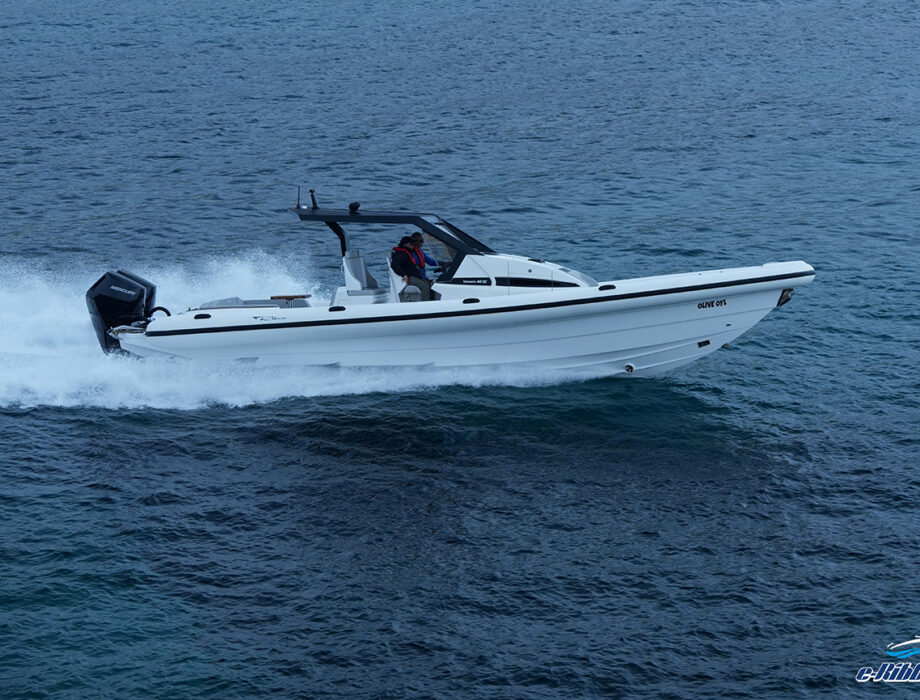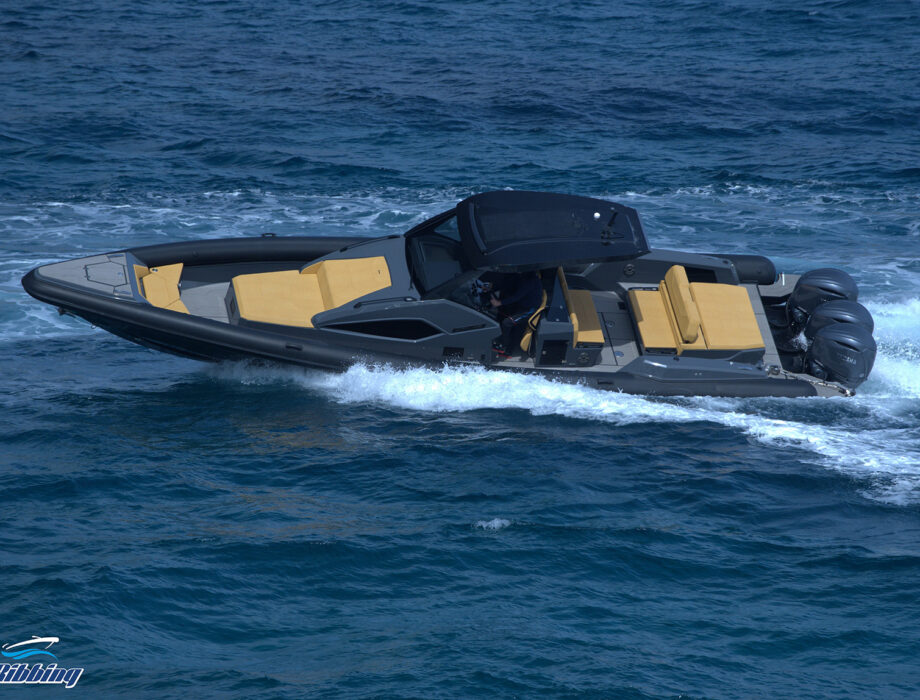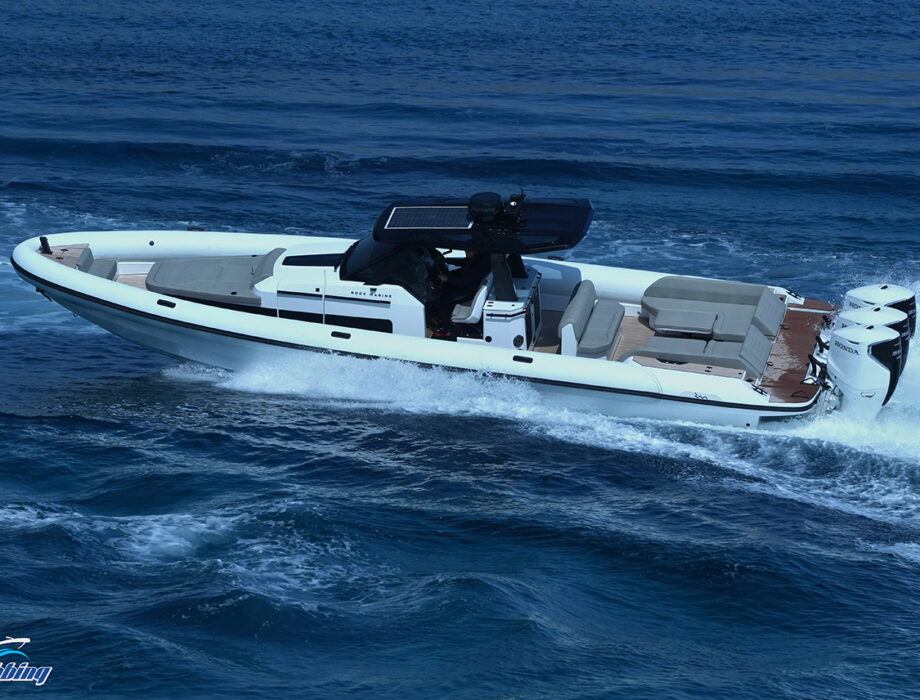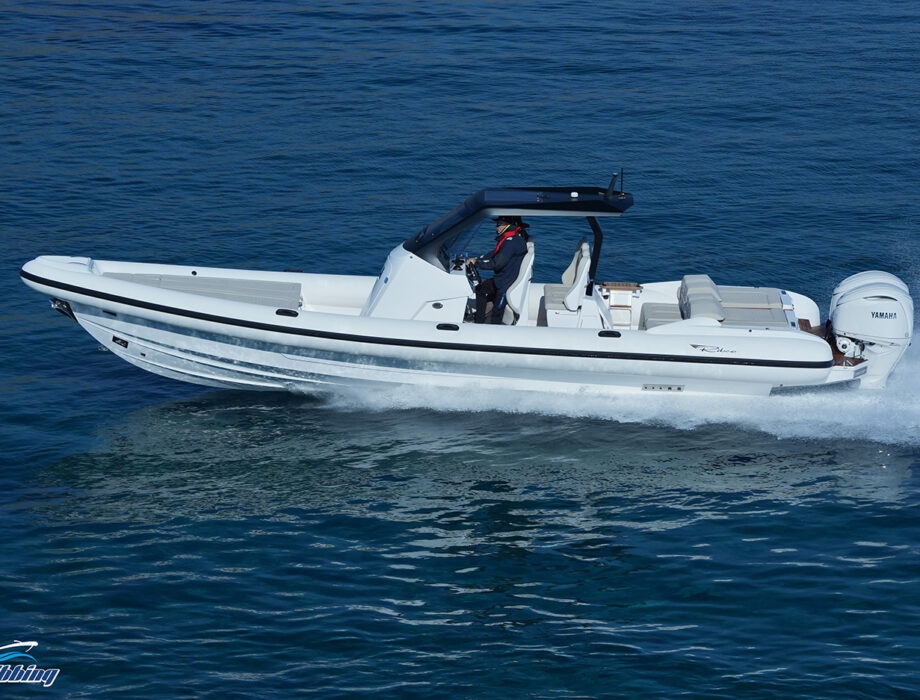
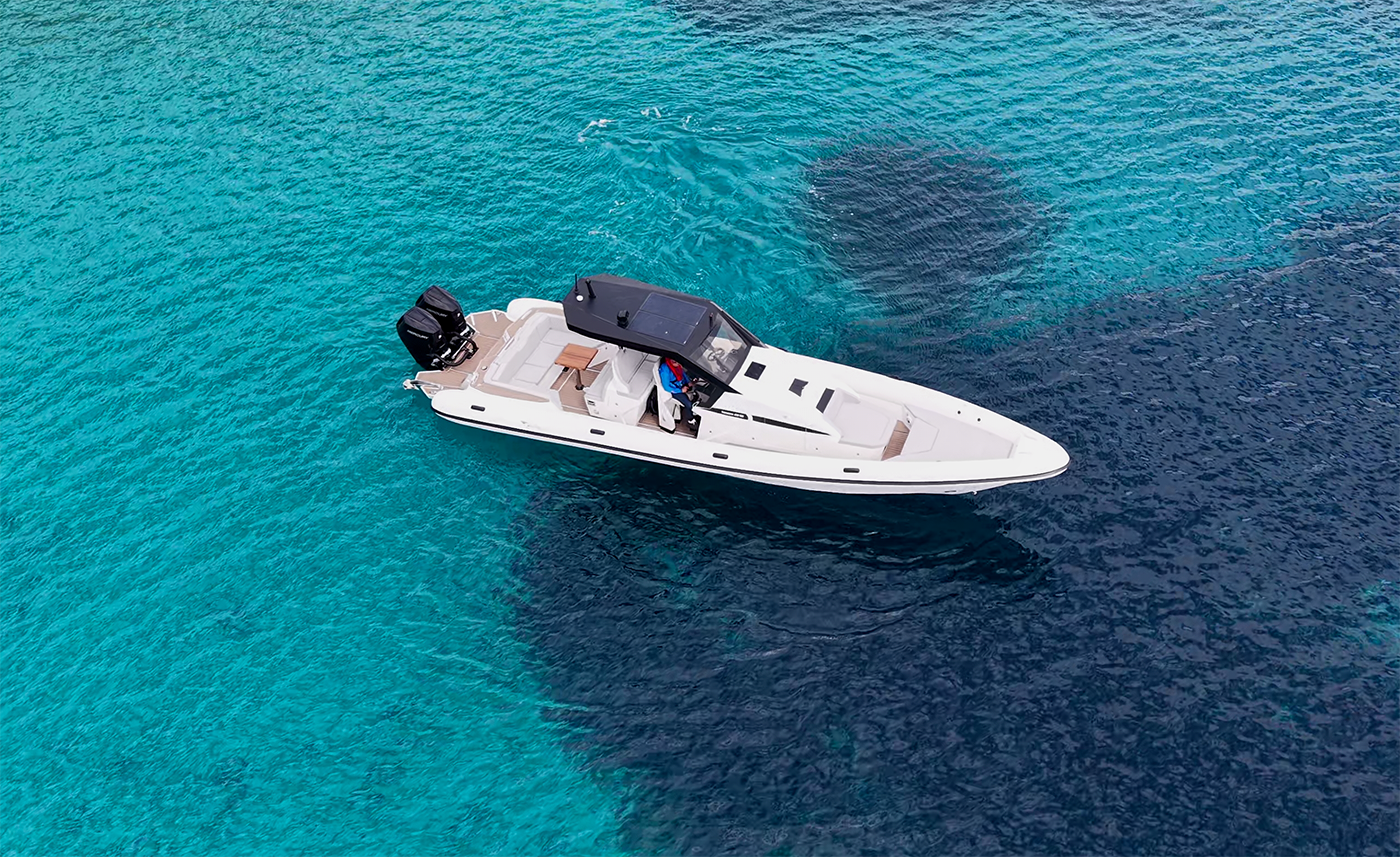
RIBCO Venom 40SC – 2x425hp Mercury V10
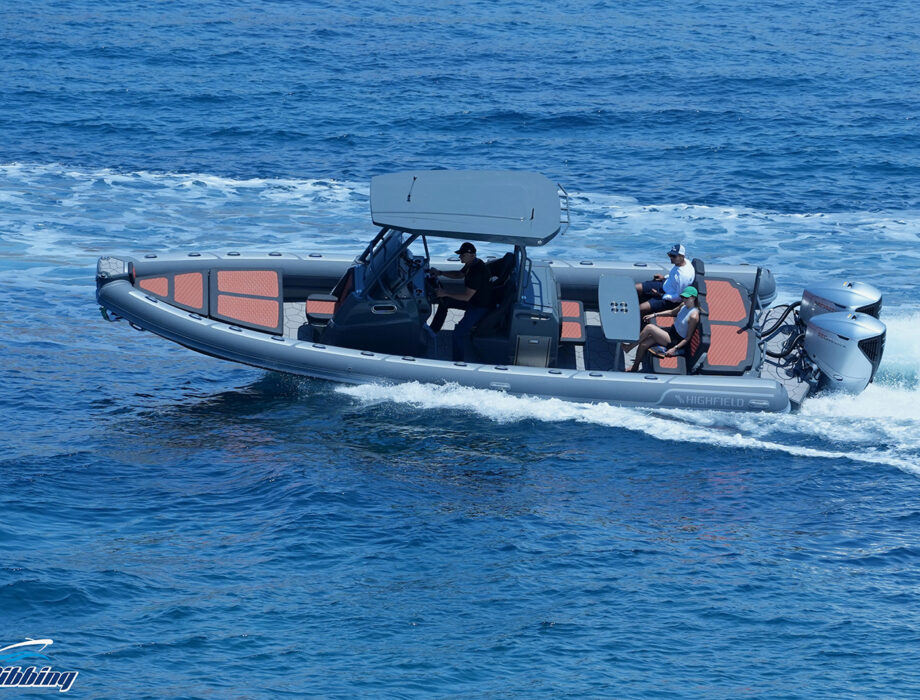
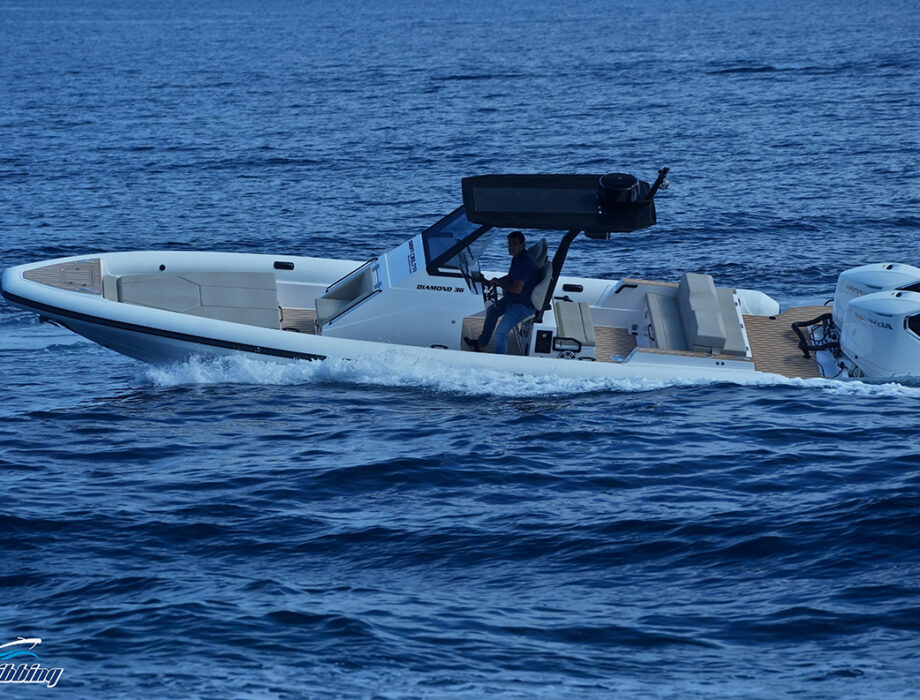
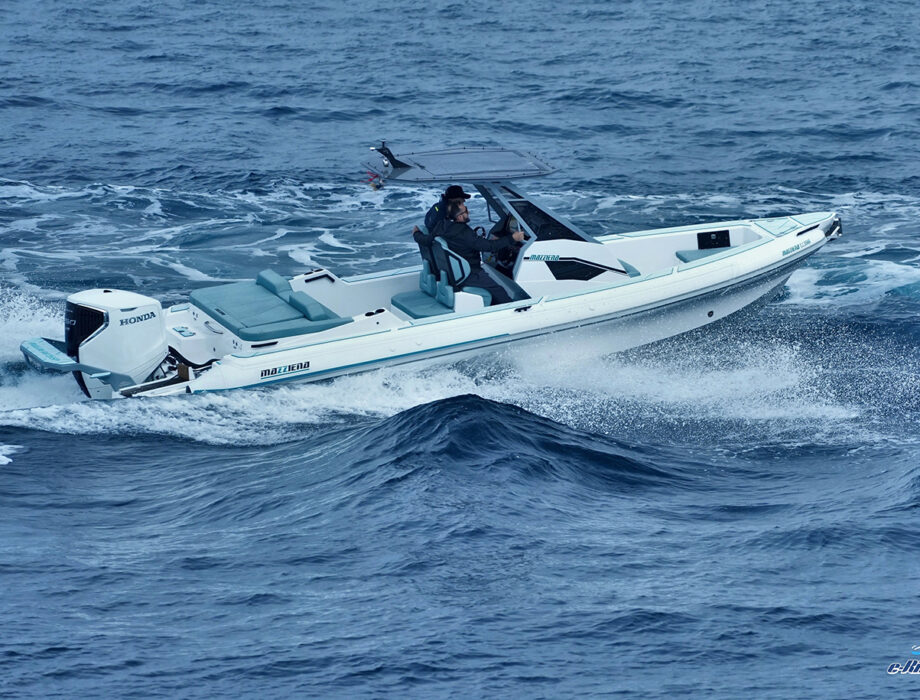
HIGHFIELD SP900 – Twin Honda BF250 V6
RIBCO Venom 40SC – 2x425hp Mercury V10
HIGHFIELD SP900 – Twin Honda BF250 V6


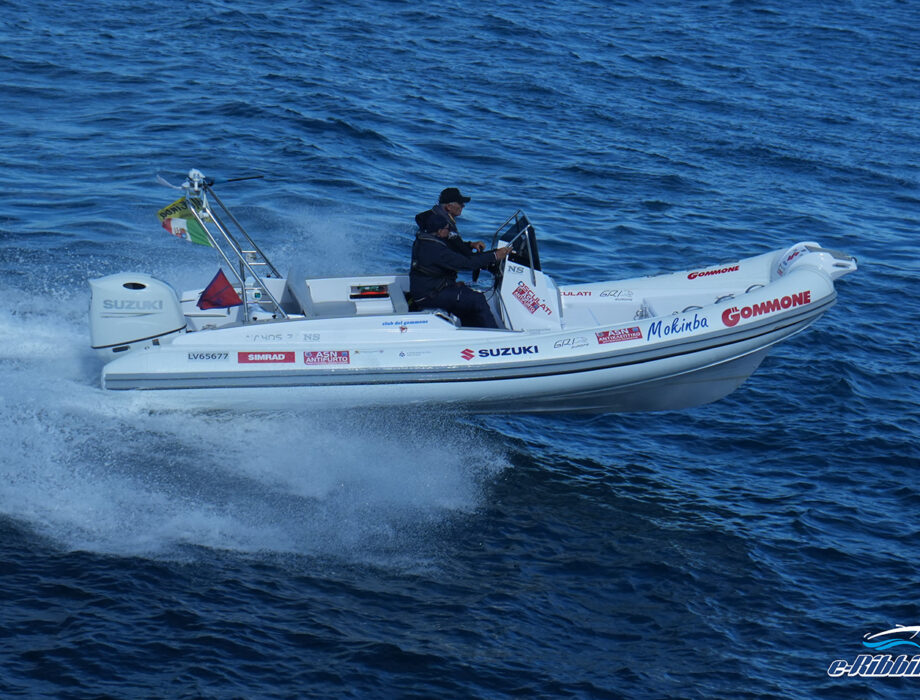
Naxos 23 by ZAR Formenti - DF200AP Suzuki
Missione Naxos 2026
A 3,303-nautical-mile journey inspired by the history of Magna Graecia.
Continuing its tradition of major Mediterranean raids, the Club del Gommone di Milano organized Missione Naxos 2026, an expedition that goes far beyond the limits of a simple maritime adventure. From April 11th to June 4th, 2026, seven crews followed a route linking Italy and Greece, symbolically retracing the sea routes of the ancient colonial era.
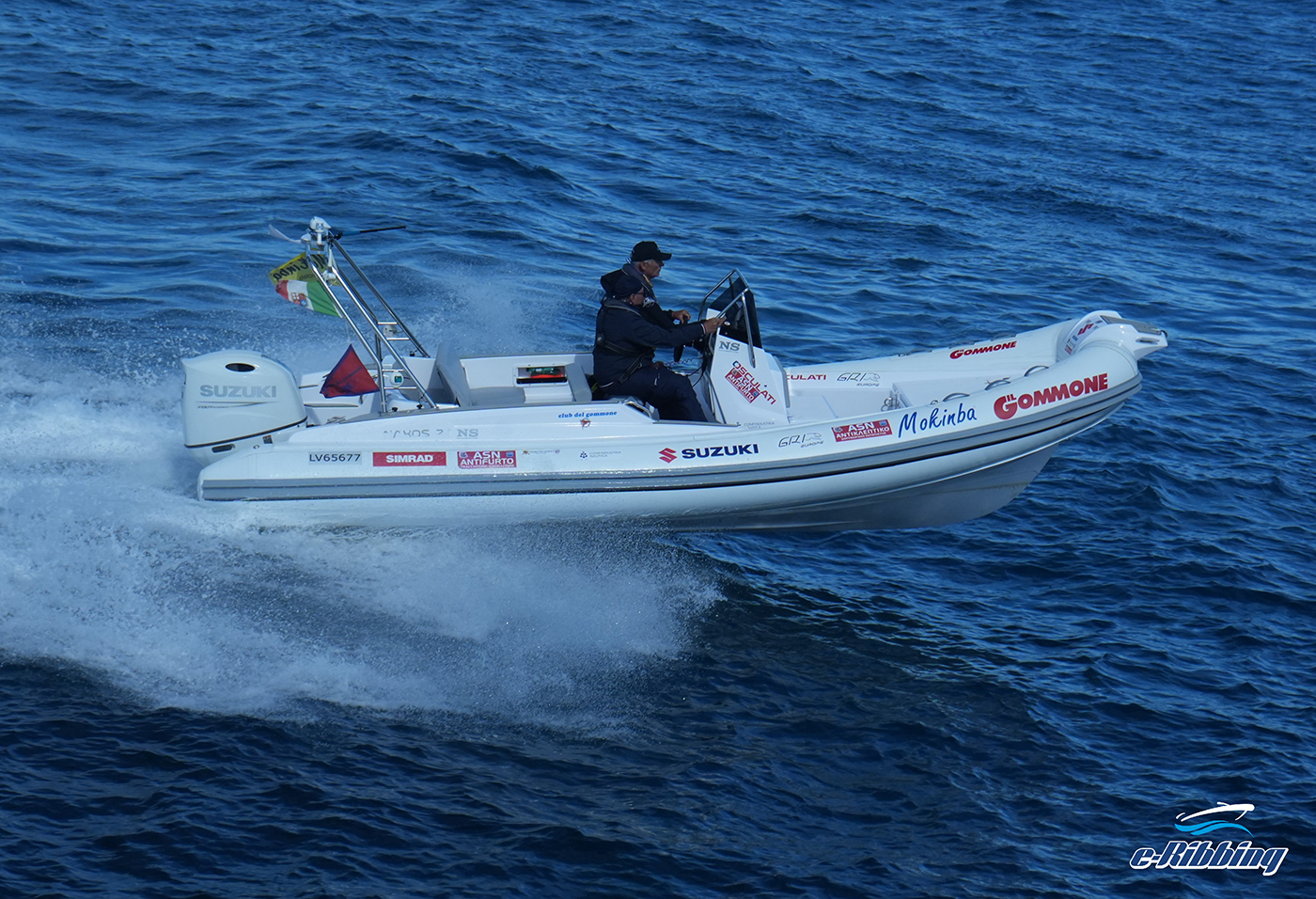
Behind the choice of the name “Naxos” lies an interesting story that connects the past with the present of modern RIB building.
The expedition was carried out aboard a ZAR Naxos 23, a new model that occupies a special place in the history of ZAR Formenti. This particular boat was not simply chosen as a means of transportation. On the contrary, it became the very source of inspiration for the entire mission.
In the Wake of the Ancient Greek Seafarers
The name Naxos, carried by the ZAR Formenti model, led the organizers to design an expedition whose final destination would be the Greek island of Naxos. Thus, a unique symbolism was created: a boat named Naxos sailing all the way to Naxos while following a historical route rich in references to Greek civilization and the maritime heritage of the Mediterranean.
This choice gave the expedition a character very different from that of previous Club del Gommone raids. It was not merely a test of endurance for crew, boat and engine, but a journey with a clear historical and cultural background. Missione Naxos 2026 was inspired by the sea routes of the Euboean settlers who, during the 8th century BC, crossed the Ionian Sea and founded Naxos in Sicily, the second Greek colony in Magna Graecia.
A 55-Day Voyage
The expedition lasted a total of 55 days and was carried out with rotating crews, allowing approximately thirty members of the Club del Gommone di Milano to participate in different legs of the journey.
The route started from Varazze, Italy, and through the Tyrrhenian, Ionian and Aegean Seas reached Naxos before following the reverse course back to Italy. The Club del Gommone di Milano has established itself as one of Europe's leading organizers of RIB raids. In recent years it has conducted expeditions such as Mythos, Mediterraneo, Raid Europeo, Mediterraneo Pulito and Varazze-Olimpia, combining nautical adventure with the historical and cultural dimensions of the Mediterranean. Missione Naxos 2026 now joins this long series, perhaps with a stronger Greek character than any previous event. And this is because the inspiration for the entire voyage was born from a single name written on the stern of an inflatable boat: Naxos.
Having the distinct honor of participating in this unique journey, during the final leg of the expedition, from Naples back to Varazze, I traveled a total of 389 nautical miles together with my fellow co-drivers Alberto Meraldi and Anastasios Sahidis over a period of four days.
My participation provided a rare opportunity to evaluate the Naxos 23 by ZAR Formenti and the Suzuki DF200AP under real long-distance cruising conditions through a demanding multi-day test that included every type of sea and navigation condition. Few boats have the opportunity to be tested so extensively in such a short period of time, and even fewer people gain such a comprehensive understanding of their capabilities.
Sunday, May 31st, 2026
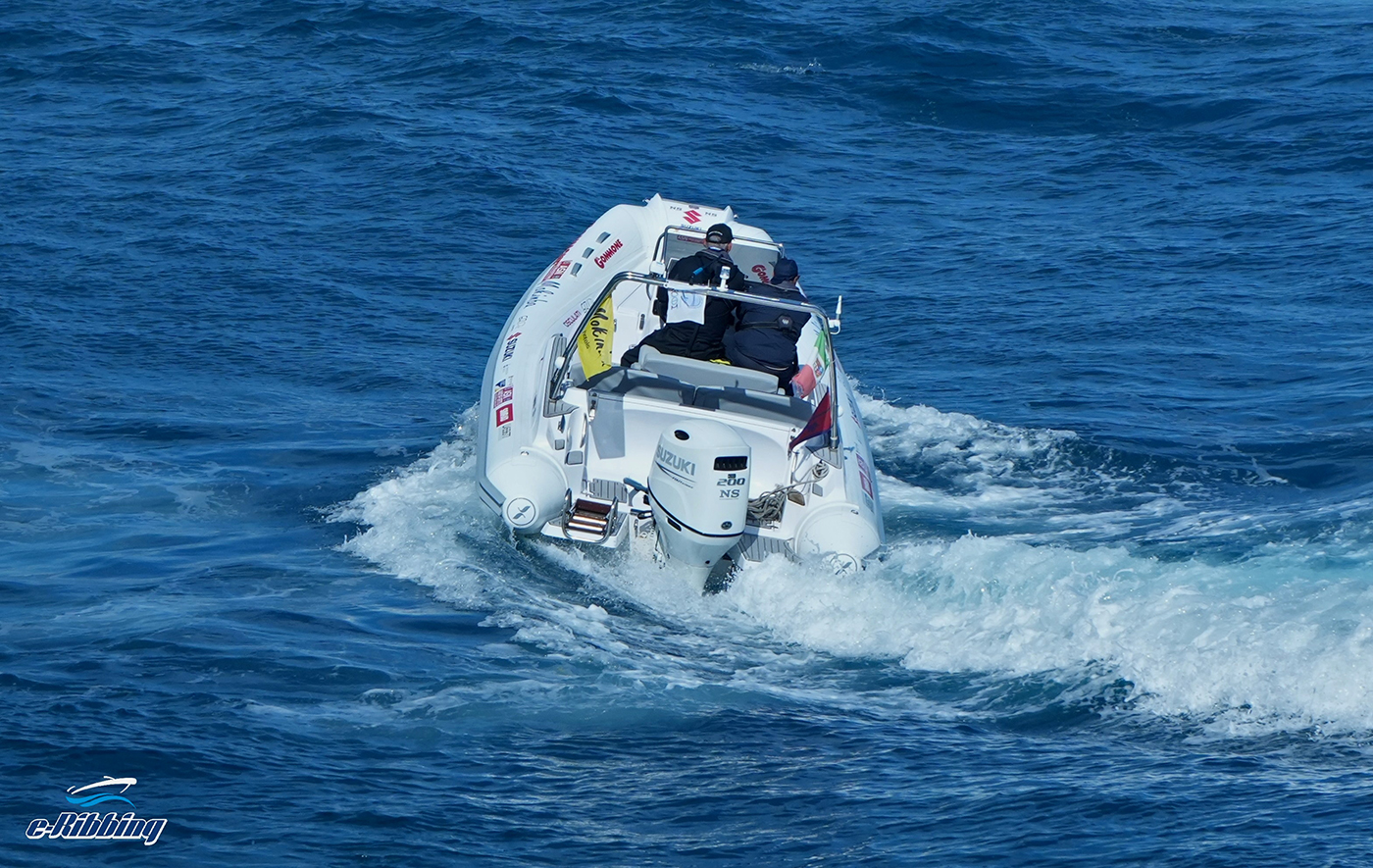
Mounted on the transom was Suzuki’s 200hp outboard engine, whose gearcase was turning a 15 1/2" x 21" Watergrip propeller through a 2.50:1 reduction ratio.
We departed from the port of Bacoli, in the Bay of Naples, at 09:30 in the morning. The sun was already high in the sky, illuminating the calm waters of the Tyrrhenian Sea, while the bow of the Naxos 23 pointed toward the small island of Ventotene, a solitary rock lost on the horizon, 32 nautical miles northwest of our departure point. The sea seemed to welcome us. The winds constantly shifted direction but never exceeded 3 Beaufort, and the boat glided effortlessly over the light swell. We cruised comfortably at 22 knots, leaving behind a white foamy wake that slowly disappeared into the deep blue sea. We carried 200 liters of fuel in our tanks and consumption remained low at 1.2 liters per nautical mile, allowing us to enjoy the voyage without the slightest concern about range.
We continued on our course and, as the hours passed, the Italian coastline appeared and disappeared along the horizon while the crew sank into that familiar, almost hypnotic sensation created by every sea voyage: the steady hum of the engine, the rhythmic sound of the hull meeting the water, and the silent companionship of the open sea. As afternoon gradually painted the sea in golden shades and the shadows stretched across the deck, the entrance to the port of Ostia appeared before us after almost ten hours underway, like the natural conclusion to a full day at sea.
We had covered a total of 116 nautical miles in 9 hours and 45 minutes, completing the first leg of the journey in exactly the same way we had begun it: with the feeling that the true meaning of a raid lies not only in the destination, but in every mile left astern.
Monday, June 1st, 2026
After six hours underway and a brief stop at Porto Ercole, we had covered a total of 75 nautical miles when we approached Giglio Island, which appeared on the horizon like a granite sentinel rising from the waters of the Tyrrhenian Sea.
We were cruising comfortably in a heavy swell and very light wind, maintaining a speed of 19 knots at 3,600 rpm with a fuel consumption of 1 liter per nautical mile. Wild and at the same time charming, Giglio, the second largest island of the Tuscan Archipelago, preserves a character that is not only historical but also deeply authentic. Its steep slopes descend almost vertically into the sea, forming small coves with crystal-clear waters, while its rocky peaks, sculpted by wind and salt over the centuries, give the landscape a rugged beauty that is difficult to forget. At the foot of the hill, where the island’s dramatic slopes meet the sea, lies Giglio Porto, the picturesque harbor that serves as the gateway for every visitor. The small port is full of life and color while retaining the authentic character of a traditional Mediterranean fishing village. From the sea, the first impression is enchanting. A curved row of colorful houses, painted in shades of ochre, pink and terracotta, is reflected in the calm waters of the bay. Their façades glow under the Mediterranean sun, while flower-filled balconies and wooden shutters add a sense of timeless Italian charm.
As the boat approached the wooden pier, the atmosphere became even livelier. Fishing boats rocked gently alongside sailing yachts and recreational RIBs, cafés and small trattorias lined the waterfront, while locals and visitors enjoyed their coffee or evening stroll with the sea as a backdrop.
As dusk falls and the harbor lights begin reflecting on the calm waters of the bay, Giglio Porto takes on an almost cinematic beauty. It is one of those places that does not simply serve as a stopover during a journey but becomes a destination in its own right.
High above the hill, at an altitude of approximately 400 meters, stands Giglio Castello, where we spent the night. This is where the true soul of the island resides. From a distance, it resembles a medieval fortress more than an inhabited village. Its imposing stone walls and towers still embrace the settlement, just as they did centuries ago when they protected its inhabitants from the pirate raids that once plagued the Mediterranean. Passing through the main gate, we felt as though we were traveling back in time. Narrow cobbled alleys, stone houses with flower-filled balconies, small squares and vaulted passageways create a setting that appears almost untouched by the modern age. Life moves at a slower pace here, and around every corner one senses the atmosphere of another era. The greatest gift of Giglio Castello, however, lies beyond its walls. From the village viewpoints, the eye embraces the entire island, its rugged coastline and the endless blue of the Tyrrhenian Sea. On clear days the horizon seems infinite, while the sunset paints the castle stones in golden and purple hues, creating an image that remains etched in memory long after departure.
It is easy to understand why first-time visitors to Giglio so often return. The island impresses not through its size, but through its authenticity and the feeling that here the Mediterranean still preserves a piece of its old, unpretentious self.
Tuesday, June 2nd, 2026
After a wonderful evening wandering through the cobbled streets of Giglio Castello, beneath the medieval walls that have overlooked the Tyrrhenian Sea for centuries, we woke early the following morning.
The day ahead promised to be demanding.
Weather forecasts indicated that a deep low-pressure system was approaching Tuscany, bringing strong southwesterly winds and severe weather conditions. Our goal was to move as far north as possible before conditions deteriorated and find a safe haven before the arrival of the storm.
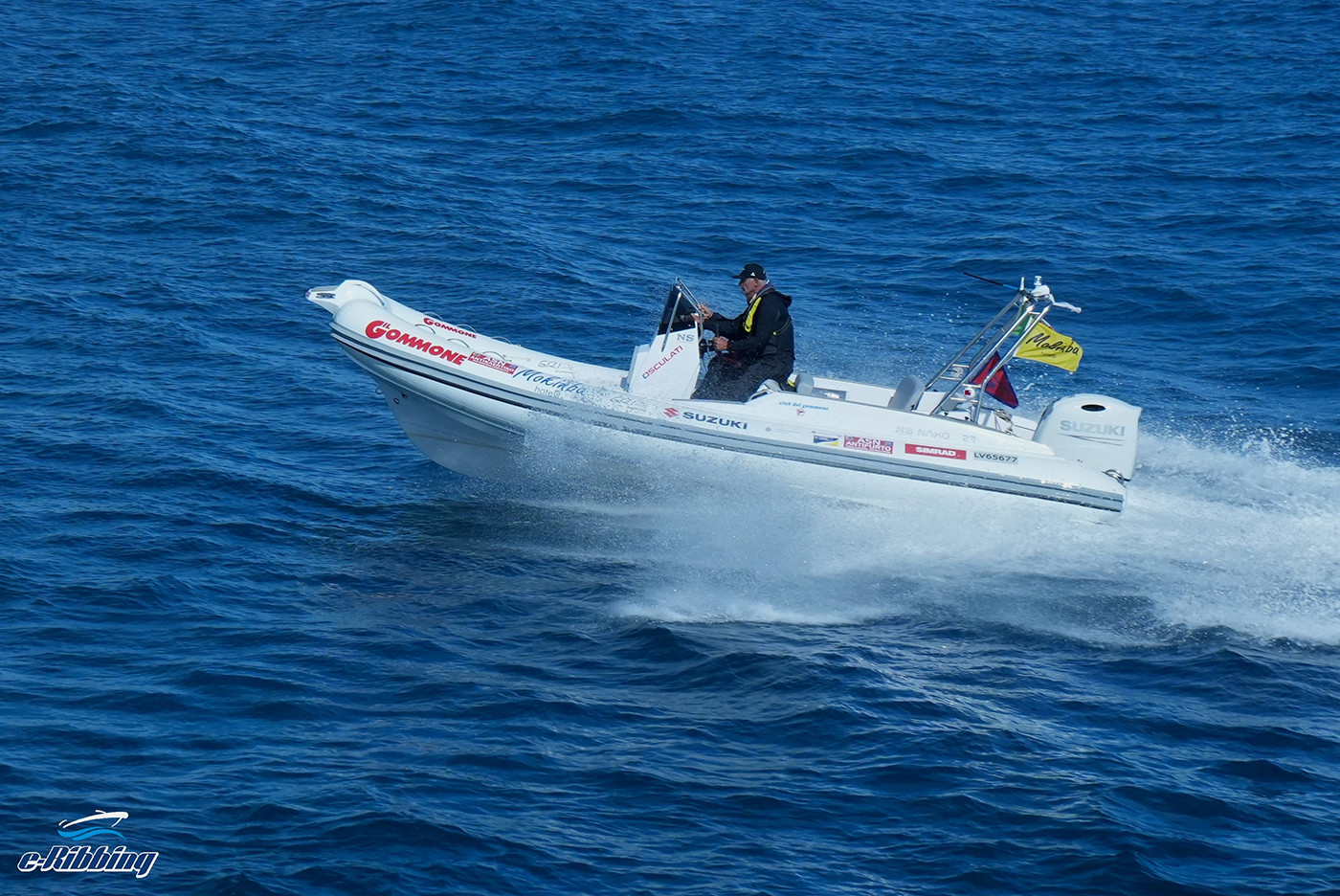
With our bow pointed toward northern Italy, we left Giglio behind and began devouring miles. The sea was still friendly, and the Naxos 23 continued tirelessly on its course. The hours passed quickly and the scenery gradually changed as we approached the Ligurian coast. By the time the sun started sinking toward the horizon, we had already covered 126 nautical miles in 9 hours and 17 minutes.
Shortly before darkness fell, we arrived outside Porto di Bocca di Magra Marina, a unique location where the Magra River meets the sea and forms the natural boundary between Tuscany and Liguria. There, an unexpected sight awaited us. At the marina entrance, staff members aboard a small service boat were attempting to close the harbor entrance. A heavy chain, supported by large floating buoys, was being stretched from one side to the other, blocking all access.
At first, we assumed it was some kind of maintenance procedure or exercise. The reality, however, was very different. The harbor personnel explained that severe thunderstorms were expected overnight in the mountainous inland region. The river would swell dangerously, carrying tree trunks, branches and all sorts of debris toward the sea. If these entered the marina, they could cause serious damage to boats and floating facilities.
The entrance was being closed and, theoretically, we had arrived too late. For a few minutes there was an awkward silence. Then we explained who we were and told them about Missione Naxos 2026 and the long voyage that was now entering its final days. The marina staff exchanged a few glances and eventually smiled. With characteristic Italian hospitality, they stopped the operation, reopened the chain and granted us permission to enter.
A few minutes later, the Naxos 23 was safely moored inside the marina. Behind us, the chain closed the entrance once again while darkness spread over the river. We were the last visitors to make it inside before Bocca di Magra was sealed off for the night, protected from the approaching storm.
Wednesday, June 3rd, 2026
After enjoying a wonderful breakfast beside the river, we set course for the unforgettable Cinque Terre, a place that looks as though it has stepped out of a painting, where colorful houses literally cling to the cliffs above the sea.
Its five historic villages uniquely combine the charm of old Italy with the rugged beauty of the Ligurian coastline. Every headland reveals another breathtaking view. Although we encountered heavy seas, that did not prevent us from approaching close to shore and admiring unique landscapes that seemed straight out of a fairy tale. It is one of those places that you do not simply visit. You experience it and carry it with you forever. Our wonderful exploration concluded with a visit to Portofino.
Approaching Portofino from the sea is an experience difficult to compare with any other in the Mediterranean. As the boat rounded the lush green headland, a small natural harbor filled with color, elegance and history suddenly revealed itself. The characteristic pastel-colored buildings embracing the harbor, the luxury yachts and the fishing boats combine to create a scene that seems straight out of a movie set. Despite its international fame, Portofino retains a unique sense of authenticity, as if time had stopped in a more romantic era of the Italian Riviera. From the sea, one immediately understands why it is considered one of the most beautiful and iconic harbors in the world.
Filled with unforgettable images, we headed upwind for the final miles to Varazze, located west of Genoa.
It took us 6 hours and 15 minutes to cover the remaining 72 nautical miles to Varazze, where we decided to record some performance figures. However, the weather did not allow us to conduct a complete test, and therefore the following results should be considered indicative only.
The boat climbed onto plane in 6 seconds, remained on plane at 2,300 rpm with a speed of only 7 knots, and reached 30 knots in 12 seconds.
At 3,000 rpm, our speed was 13 knots with a fuel consumption of 1.1 liters per nautical mile.
At 3,500 rpm, we cruised at 17.5 knots while burning 1 liter per nautical mile, while at 4,000 rpm we achieved 21.5 knots with a consumption of 1.13 liters per nautical mile.
At 4,500 rpm, we reached 27 knots with a fuel consumption of 1.15 liters per nautical mile, while at 5,000 rpm we were running at 31 knots burning 1.25 liters per nautical mile.
Due to the heavy sea conditions, we were unable to push the engine to its maximum rated rpm and therefore could not determine the boat's top speed. It is worth noting that during our test there were two people aboard, with all of the boat's equipment on board, but with very little fuel.
Manufacturer:
ZAR FORMENTI SRL
Motta Visconti (MI) - ITALY
Tel. +39 02.90000788
www.zar-formenti.net