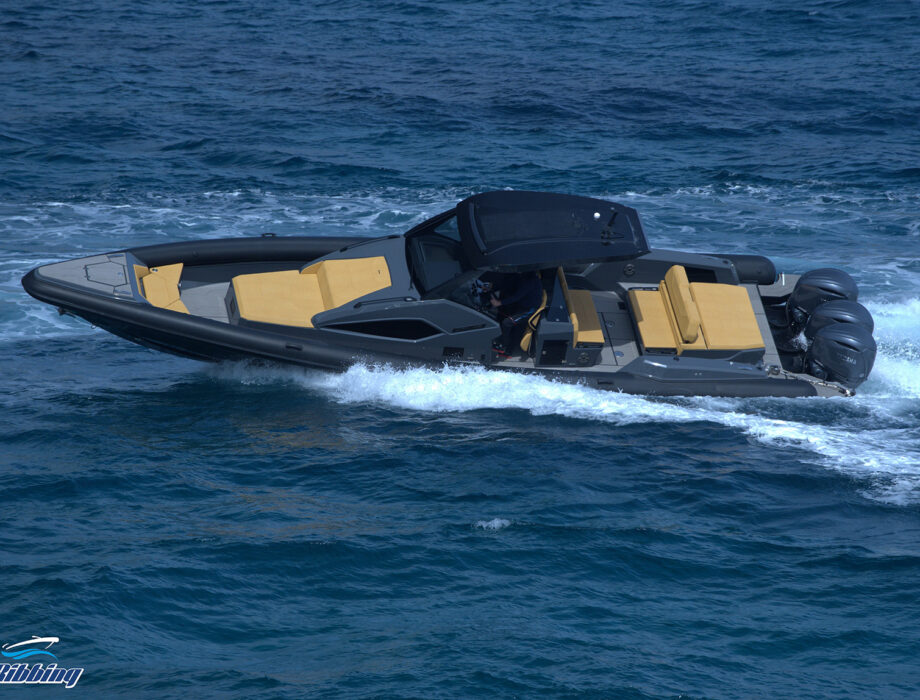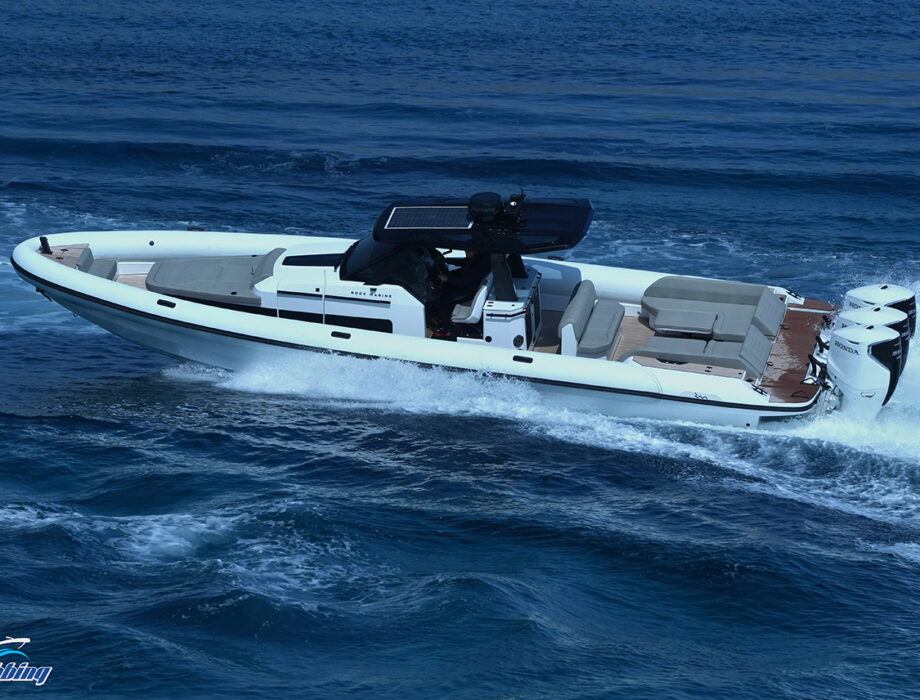
ROCK 40 – Triple Honda BF350 V8
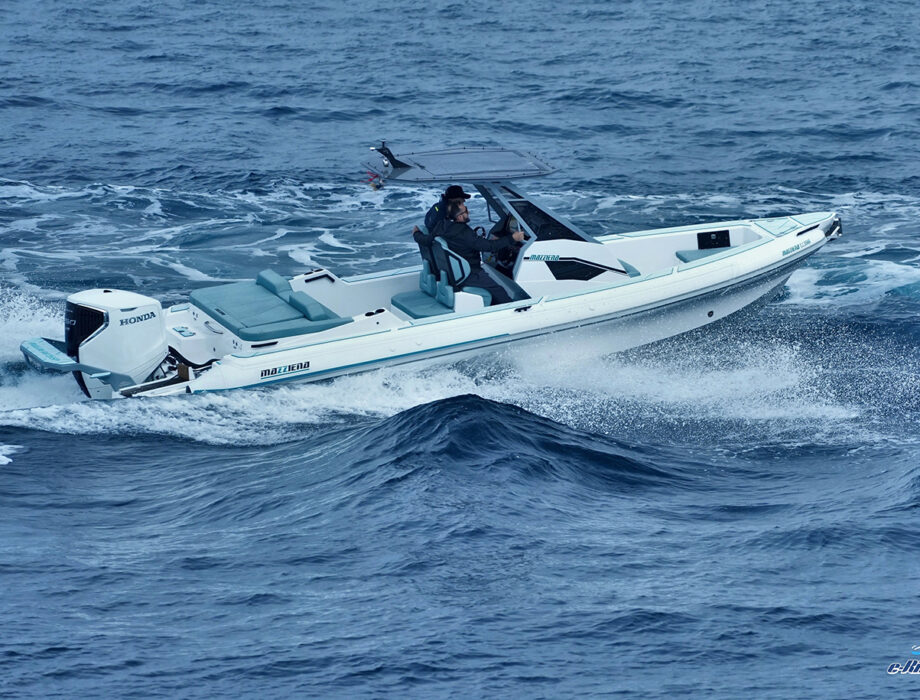
Mazziena 26CC – 2 x 200hp V6 Mercury
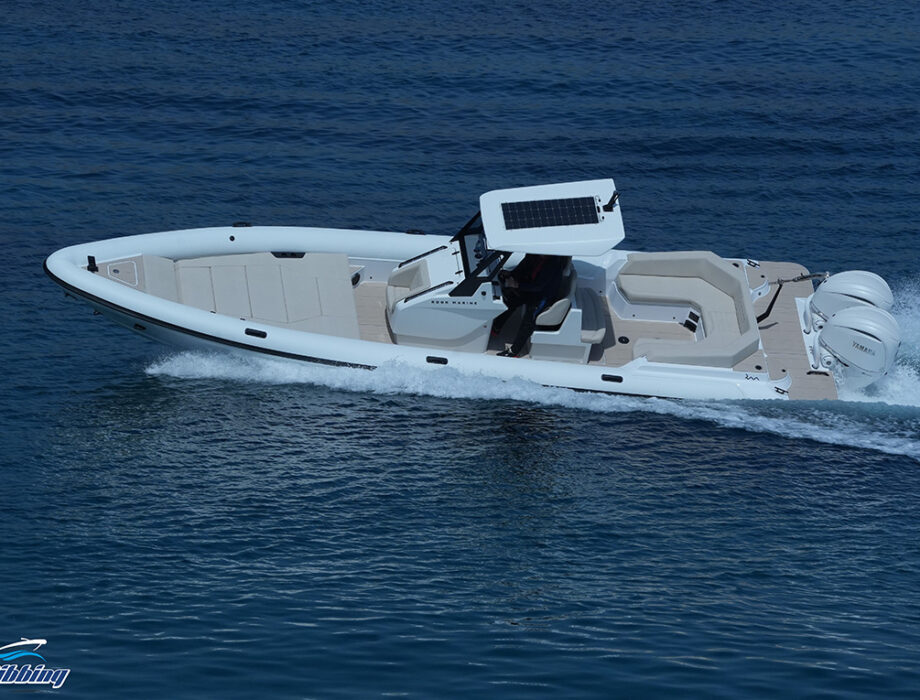
ROCK 40 – Triple Honda BF350 V8
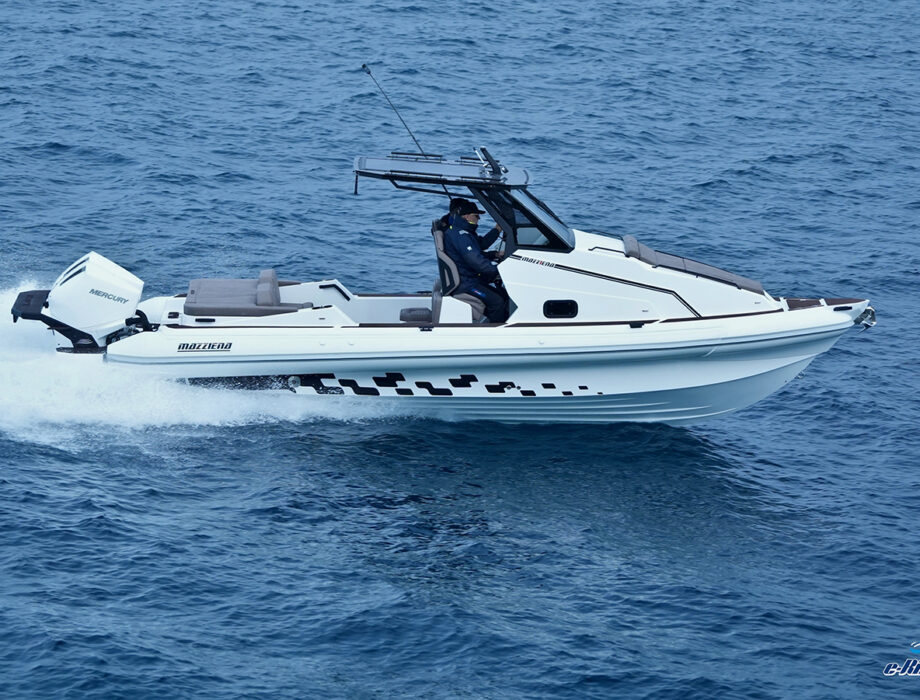
Mazziena 26CC – 2 x 200hp V6 Mercury


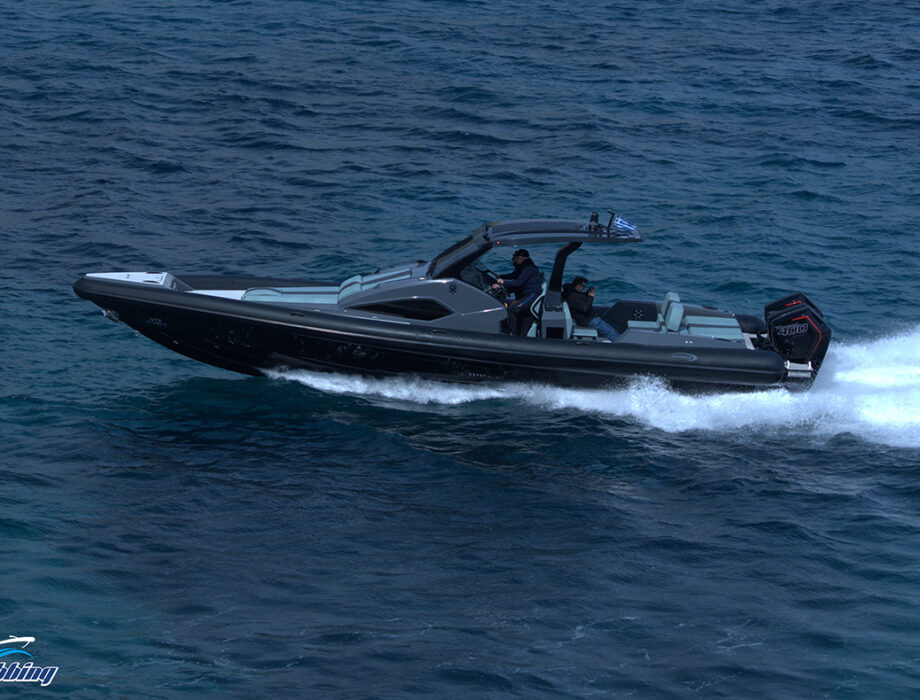
Seafighter SFR 42 - Triple V10 Mercury 400R
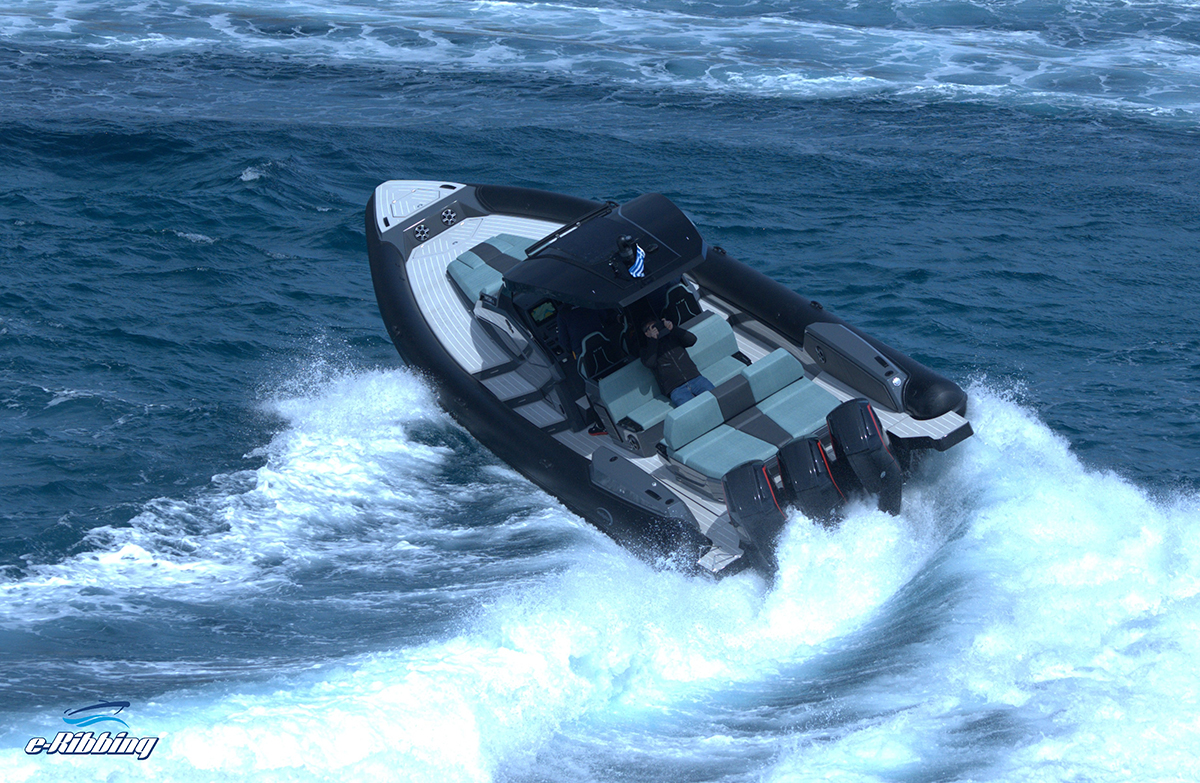
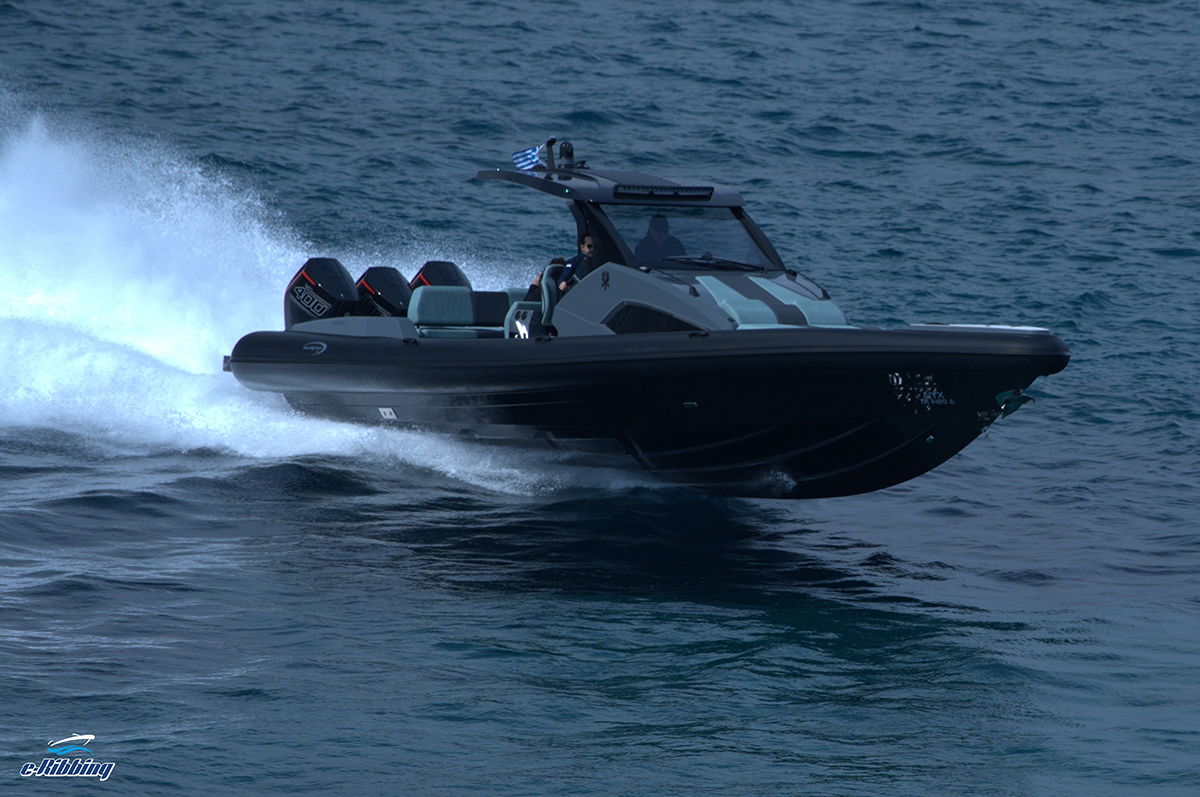
In this particular test we had the opportunity to see SFR 42 in a particularly dynamic set-up, equipped with three Mercury Marine 400R outboard engines.
With a total output reaching 1,200 horsepower, the boat acquires an even more pronounced performance character, approaching the limits of a true high-performance sport cruiser. The aim of our test was to determine how the hull of SFR 42 responds to the significantly increased power, as well as to evaluate the overall behavior of this specific combination at sea.
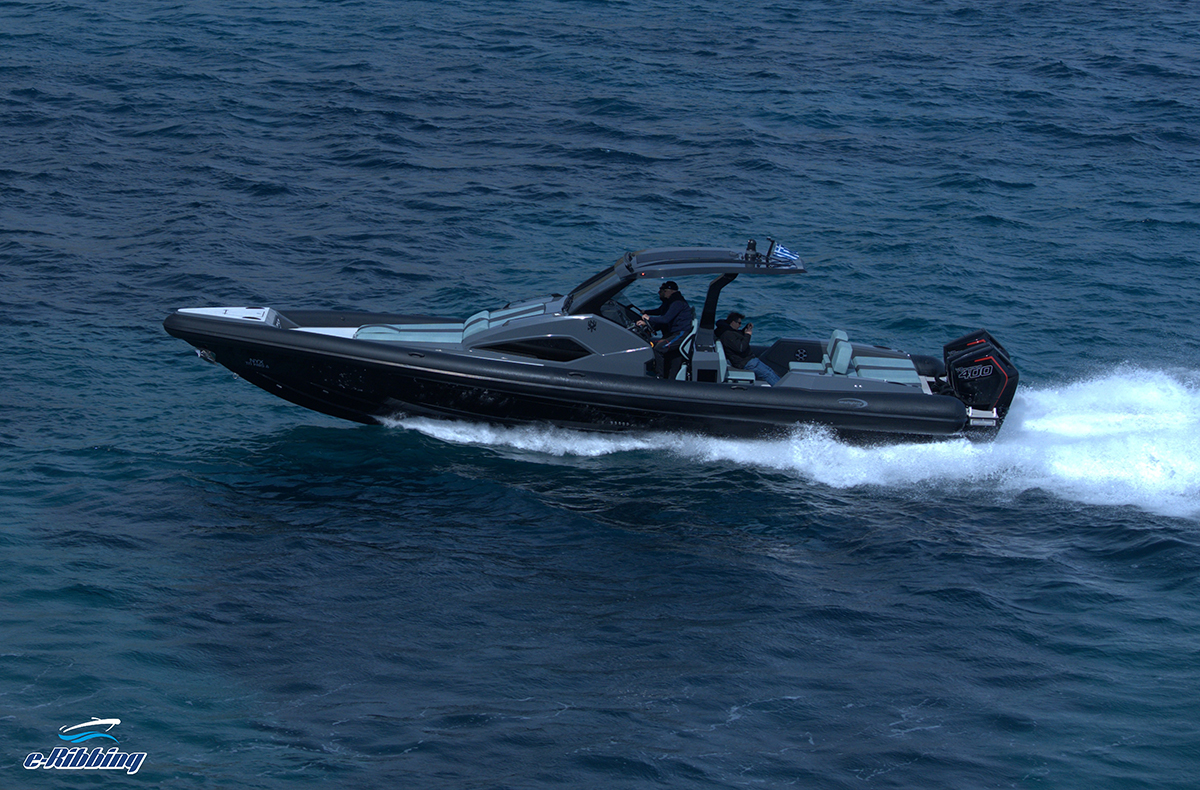
SFR 42 showed from the very first minutes that it can fully exploit the substantial power of the Mercury V10 400R engines.
Its hull remains stable and predictable even at high speeds, inspiring confidence in the helmsman. The boat’s behavior during maneuvers was also particularly positive. Despite its considerable length and significant weight, it remains controllable and precise in its course.
The overall result is a package that combines high performance with stability and comfort -characteristics that constitute fundamental elements of a large performance RIB.
At Sea
For the first time, the Seafighter 42 carried on its transom three Mercury 400R outboard engines, whose gearcases, with a 1.60:1 gear ratio, were turning four-blade 14.6'' x 21'' Revolution propellers.
Without having previous experience with this specific engines and propellers combination, we headed out to open sea in order to see in practice how the boat responds with 1,200 horsepower on the transom and to record its performance.
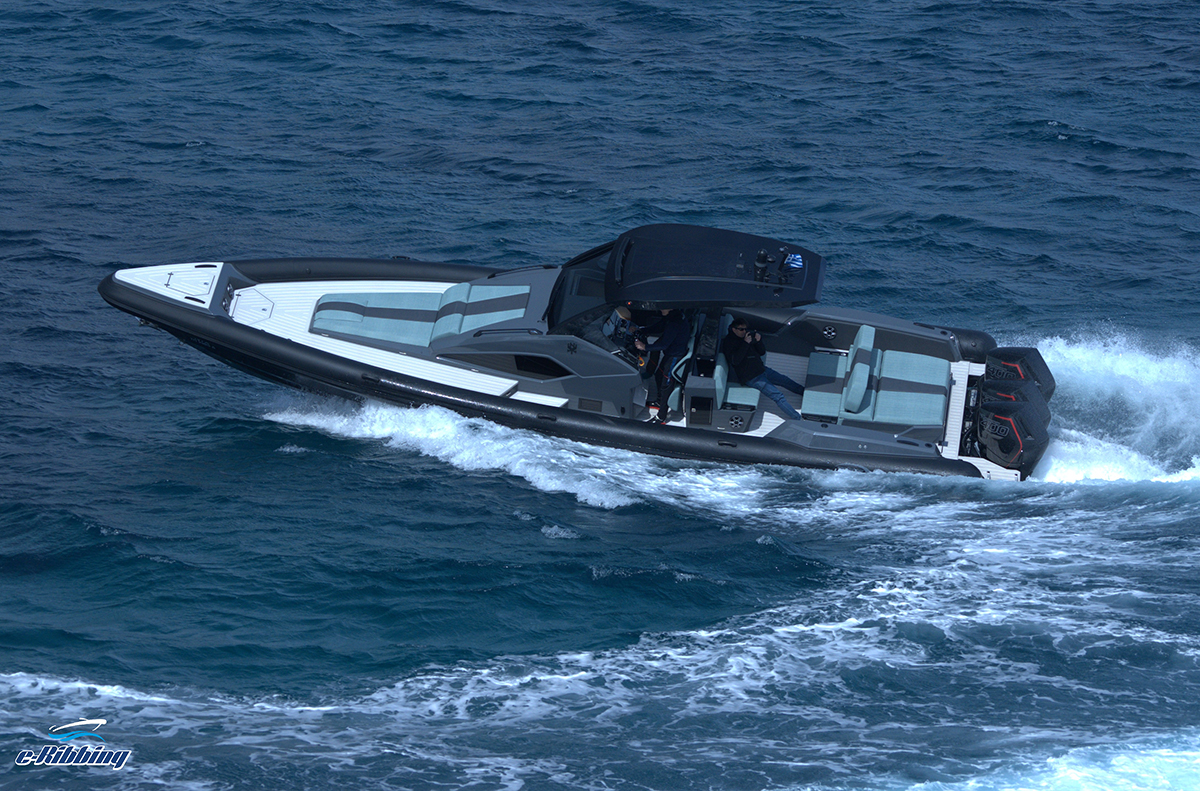
With approximately 600 liters of fuel in the tanks, three crew members, and all the boat’s basic equipment onboard, SFR 42 immediately showed that it can manage without any difficulty the large torque reserves of Mercury’s powerful V10 engines. What particularly impressed us during the test was the sense of agility the boat conveyed. Despite its large size, SFR 42 felt like a remarkably playful and enjoyable driving machine. During maneuvers it responded instantly to steering inputs, remaining precise and fully controllable.
It was characteristic that when we began attempting more aggressive maneuvers, the boat gave us the impression that we were handling something noticeably smaller. The immediacy of its response and the ease of control created a particularly pleasant navigation experience, allowing the helmsman to feel completely confident behind the wheel.
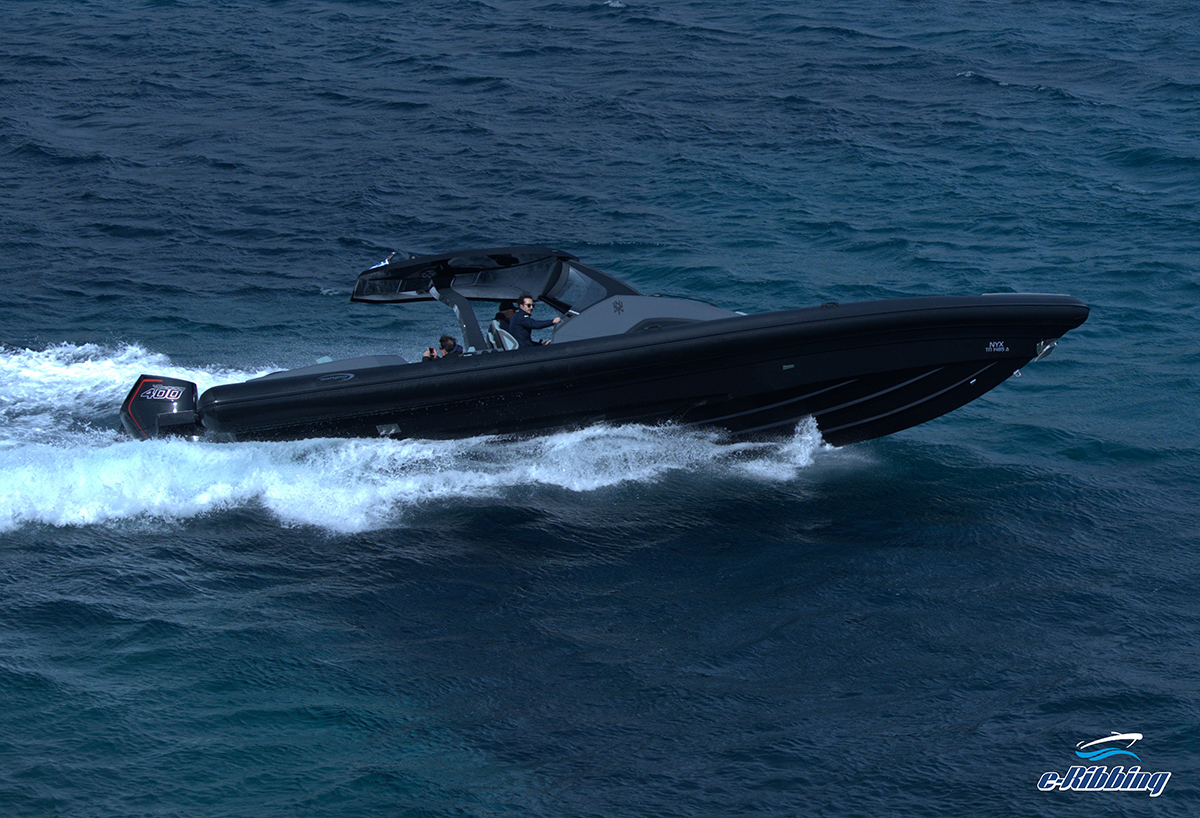
The boat maintained its plane already from 2,300 rpm, traveling at approximately 12 knots. From that point onward, acceleration showed a noticeable delay, with 30 knots arriving in about 12 seconds and 40 knots in 15 seconds.
These figures are certainly not satisfactory and are attributed mainly to the choice of propellers, and to a lesser extent to the engines mounting height.
At 3000 rpm we cruised at 18 knots, consuming 5 liters per nautical mile, while at 3500 rpm we ran at 36 knots, consuming 5.7 L/nm.
At 4000 rpm, speed reached 31 knots with consumption at 4.4 L/nm.
At 4500 rpm we traveled at 36 knots, consuming 4.3 L/nm, recording the most economical cruising speed, while at 5000 rpm we reached 41 knots, consuming 4.6 L/nm.
At wide-open throttle, the engines reached 6500 rpm, and SFR 42 achieved a top speed of 65.3 knots, recording 7% propeller slip.
You can see our detailed measurements in the table below:
Analyzing our measurement data, we observed particularly high slip values throughout the entire rpm range, with the exception of WOT, where the corresponding values were normal -namely in the condition where almost the entire hull was out of the water and traveling with the lowest possible resistance.
As we have pointed out many times through e-Ribbing articles, at sea it is impossible to achieve perfection in all areas simultaneously.
The correct approach is first to determine the intended usage profile of the boat and then adapt the set-up accordingly, selecting the appropriate propellers and the correct engines mounting height.
In this particular case, it appears that the owner chose to place greater emphasis on achieving a high top speed. This choice, as expected, shifts the performance balance toward the higher rpm range, leaving the optimization of behavior at low and mid speeds as a secondary priority.
However, this is a fully conscious decision that reflects the intended usage orientation of the specific boat.
If, however, the goal is to optimize the boat’s behavior under cruising conditions -with better acceleration, higher cruising speeds, and lower fuel consumption- then the solution lies in selecting a different type of propellers.
With the appropriate choice we can achieve more immediate throttle response, significantly lower slip at low and mid rpm, and greater flexibility when sea conditions become more demanding.
Of course, such a setup usually implies the loss of a few knots in top speed. However, this is a common compromise that in many cases proves particularly beneficial for the overall performance and practical usability of the boat.
Manufacturer:
Seafighter Rib
32 Ifaistou St.
Industrial Area of Koropi – Attica
Tel.: +30 210 8972720
info@seafighter-rib.gr